
Pest control service in San Rafael, CA

San Rafael is Marin County's largest city and its most structurally diverse, with housing that ranges from pre-World War II bungalows in Gerstle Park and the Canal district to mid-century Eichlers in Terra Linda and hillside estates near China Camp State Park. That range of building eras means termite vulnerability looks different on nearly every block. The city's creek corridors, rolling hills, and proximity to open space give roof rats and Norway rats multiple routes into residential structures. The Canal district's older mixed-use buildings and the hillside neighborhoods of Terra Linda and Lucas Valley both see consistent rodent pressure throughout the year.

Call
Service Location

San Rafael, CA

CA Service Area

No extra travel fees for this area

Communities we serve

San Rafael Terra Linda Lucas Valley Gerstle Park Dominican Sun Valley Peacock Gap Marinwood
  • 5 Years Experience
  • Honesty and Integrity
  • Marin & Sonoma Local
  • Custom Solutions
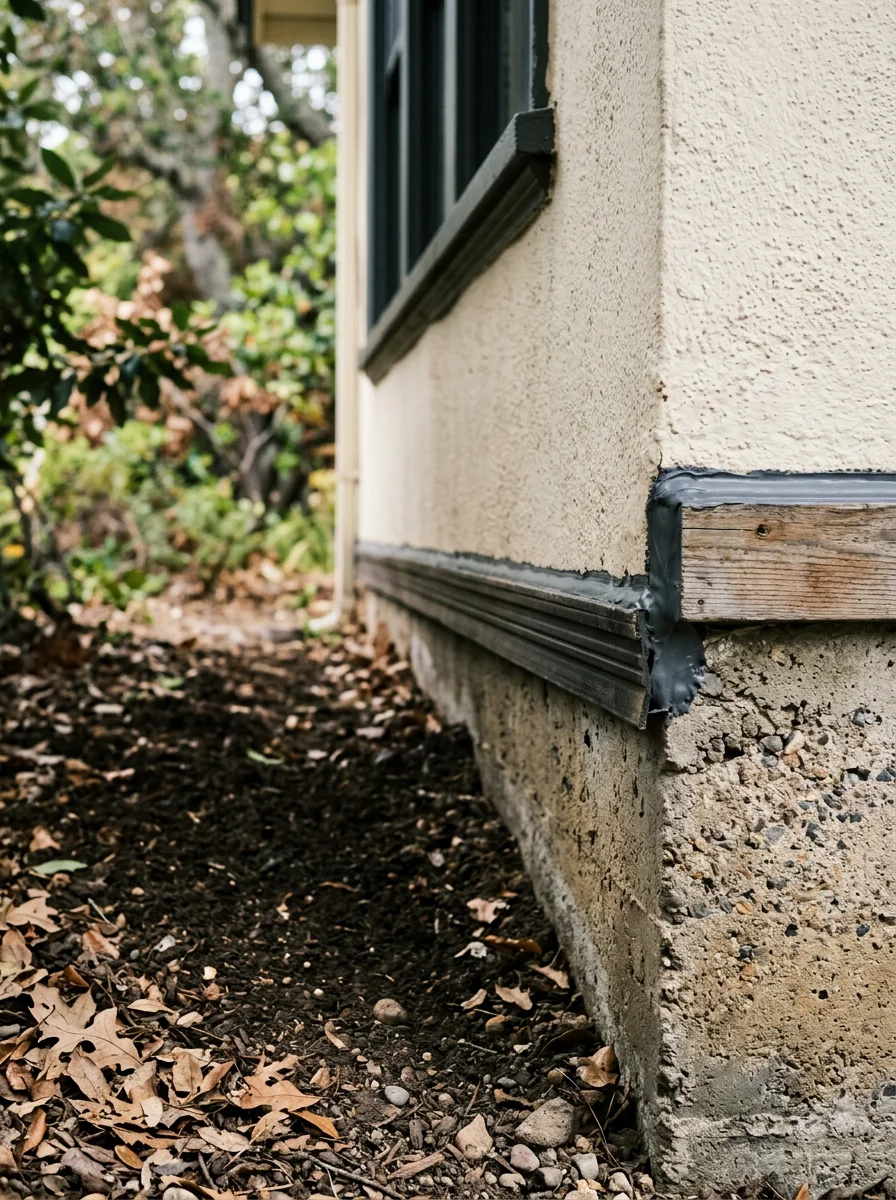
Sealed foundation gap on a pre-war bungalow in San Rafael's Gerstle Park neighborhood after rodent exclusion work.

San Rafael, CA

Pest Control Service

San Rafael's Mixed Housing Stock Needs a Property-by-Property Read

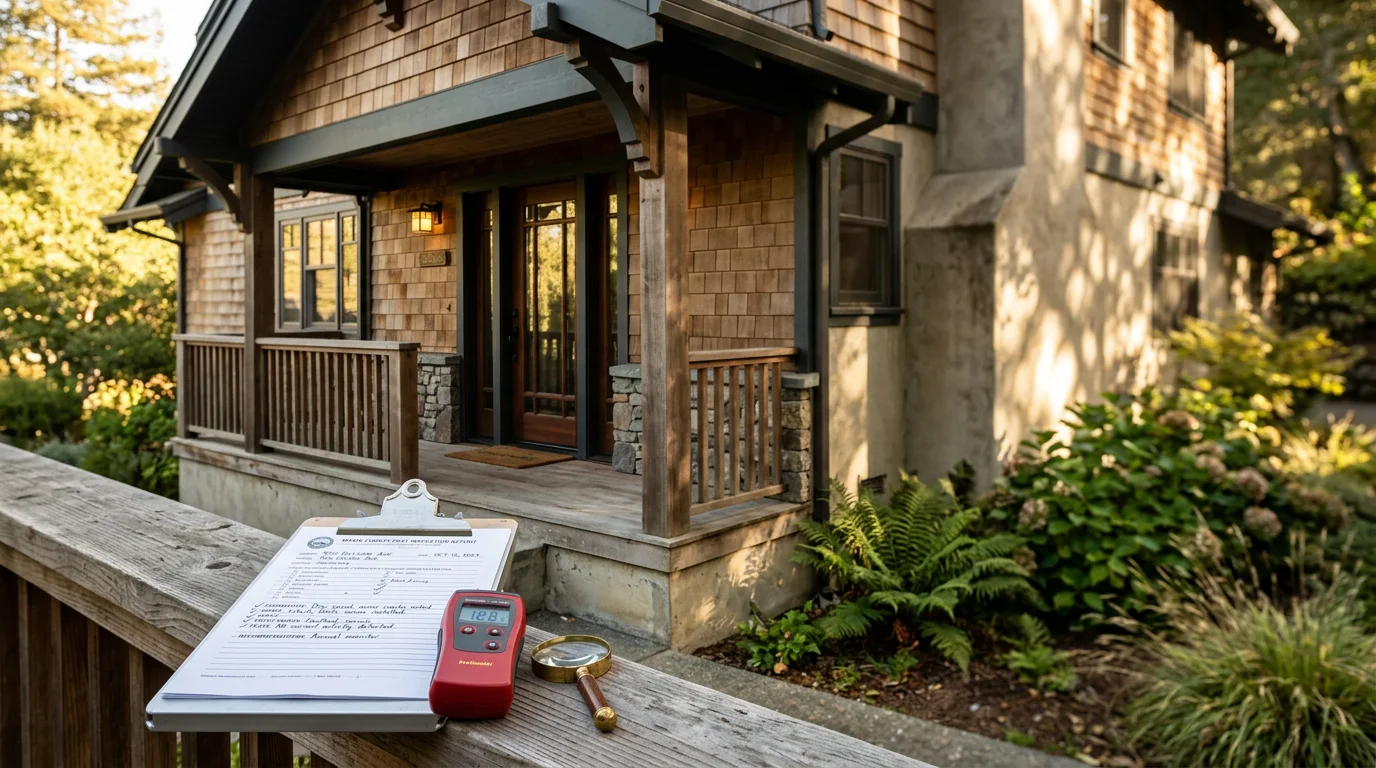
A pre-war bungalow in Gerstle Park has different termite risks than a flat-roof Eichler in Terra Linda. The bungalow likely has original wood framing with accumulated moisture exposure and potential subterranean termite mud tubes along the foundation. The Eichler has a different roofline profile and utility penetration pattern that rodents exploit differently. We inspect the actual structure in front of us, not a generic version of a San Rafael home.

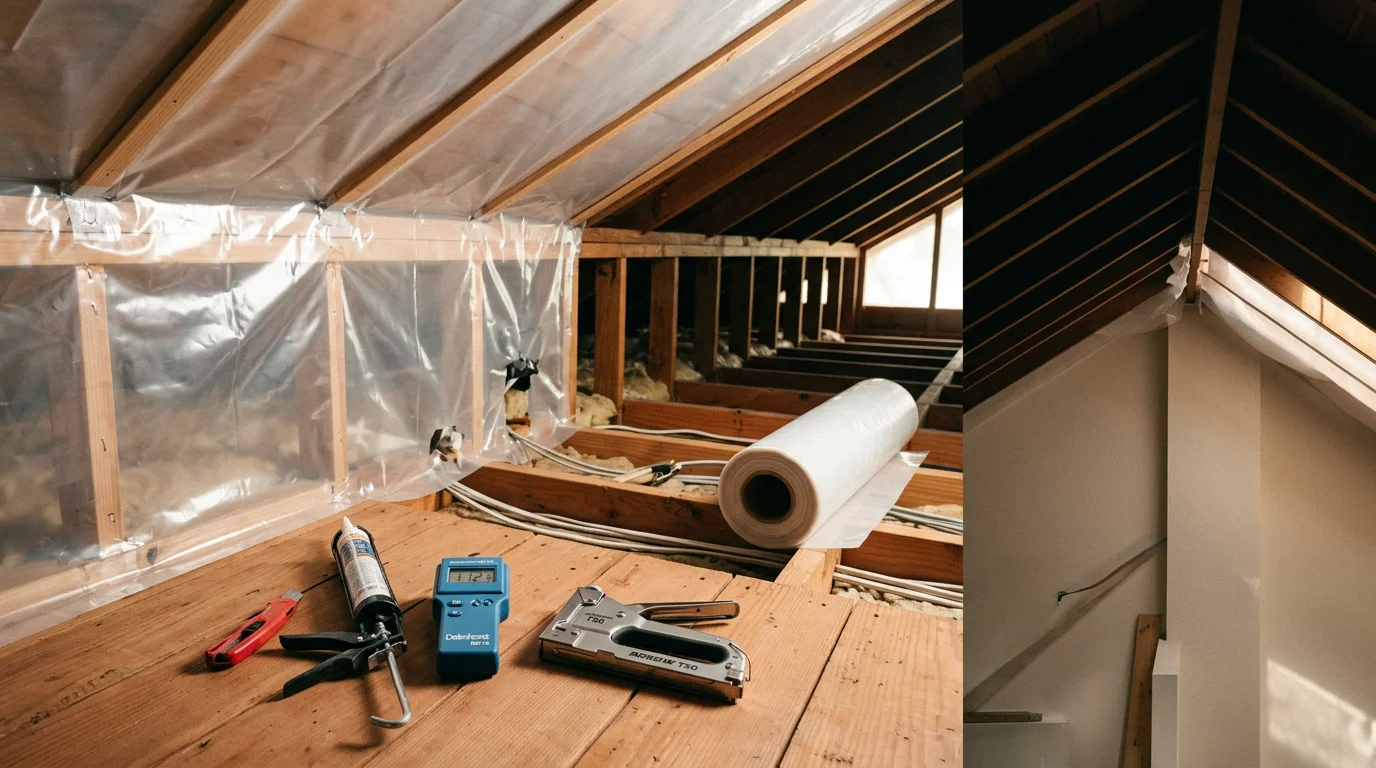
Roof rats in San Rafael's hillside neighborhoods use the mature oak canopy as a highway to rooflines. Once inside, they nest in attic insulation and chew through utility lines. Rodent trapping removes the active population, but trapping alone does not stop the next wave. Rodent exclusion, closing every gap at the roofline, foundation, and utility penetrations, is what keeps the structure protected after the traps are pulled.

The Canal district presents a different challenge than the hillside neighborhoods. Older commercial and mixed-use construction there creates below-grade voids and drainage gaps that Norway rats use for harborage. We approach Canal district properties with a ground-level inspection focus, looking at foundation gaps, utility entries, and drainage adjacencies that hillside-focused work would miss entirely.

At a glance

  • Locally owned and operated
  • Free written estimates with no obligation
  • Premium options most contractors don't carry — we explain the differences honestly
  • Responsive scheduling and clear communication from estimate to completion
Call

Every service, available in San Rafael, CA

Rodent exclusion and rodent trapping are the primary services in San Rafael, where roof rats use the mature oak canopy in Terra Linda and Lucas Valley to reach rooflines, and Norway rats exploit drainage voids in the Canal district. Wood-eating insect identification and termite treatments address the drywood termite activity concentrated in the pre-war construction of Gerstle Park and the Dominican area, as well as subterranean termite pressure near San Rafael Creek. Insulation cleanout and remediation are frequently needed after rodents nest in attic insulation in the hillside neighborhoods. Home inspection ties all of this together by identifying which problems are present before any treatment begins.

What San Rafael, CA customers say.

Reviews are temporarily unavailable. Please check back soon.

Worked with us?

Leave a Review

Serving San Rafael, CA

Free on-site estimate. No commitment required.

Our crew knows San Rafael, CA. We will show up on time, assess the job honestly, and give you a clear written number before asking you to decide anything.

Call

Also serving across the North Bay:

Pest Control Service FAQ for San Rafael, CA

Common questions from San Rafael, CA customers about our services, process, and coverage.

Both neighborhoods sit adjacent to hillside open space with mature oak and bay tree canopy that roof rats use to travel between trees and rooflines. Once a rat finds a gap at a roofline vent, soffit, or utility penetration, it moves into the attic to nest. Rodent exclusion, sealing those specific entry points, is the only way to stop re-entry after trapping removes the current population.

Pre-war construction in these neighborhoods often contains original Douglas fir and redwood framing with decades of moisture exposure. Drywood termites infest attic spaces and eaves without needing soil contact, while subterranean termites build mud tube networks through the moist soil near San Rafael Creek. Wood-eating insect identification during a home inspection determines which species is active and where treatment needs to be targeted.

The Canal district's older commercial and mixed-use buildings create below-grade voids, drainage gaps, and foundation openings that Norway rats use for harborage at ground level. Hillside neighborhoods like Terra Linda and Lucas Valley see more roof rat activity, where the pest enters from above through roofline gaps. Each situation requires a different inspection focus and a different exclusion approach.

Yes. Rodents nest in attic insulation and leave behind droppings, urine, and nesting material that carry health risks and reduce the insulation's effectiveness. After exclusion work closes the entry points and trapping removes the active population, insulation cleanout and remediation remove the contaminated material so the attic is safe and properly insulated again.

Still have questions?

Call us directly. Real answers, no scripts.

Call

Proudly Based in CA

Stop by, call, or book online — we're always nearby when you need us.

Phone

Hours

Schedule a Free Inspection